Lifestyle
migration
Bachelor’ Degree project of Culture and Arts, Specialization Photography at Novia University of Applied Sciences
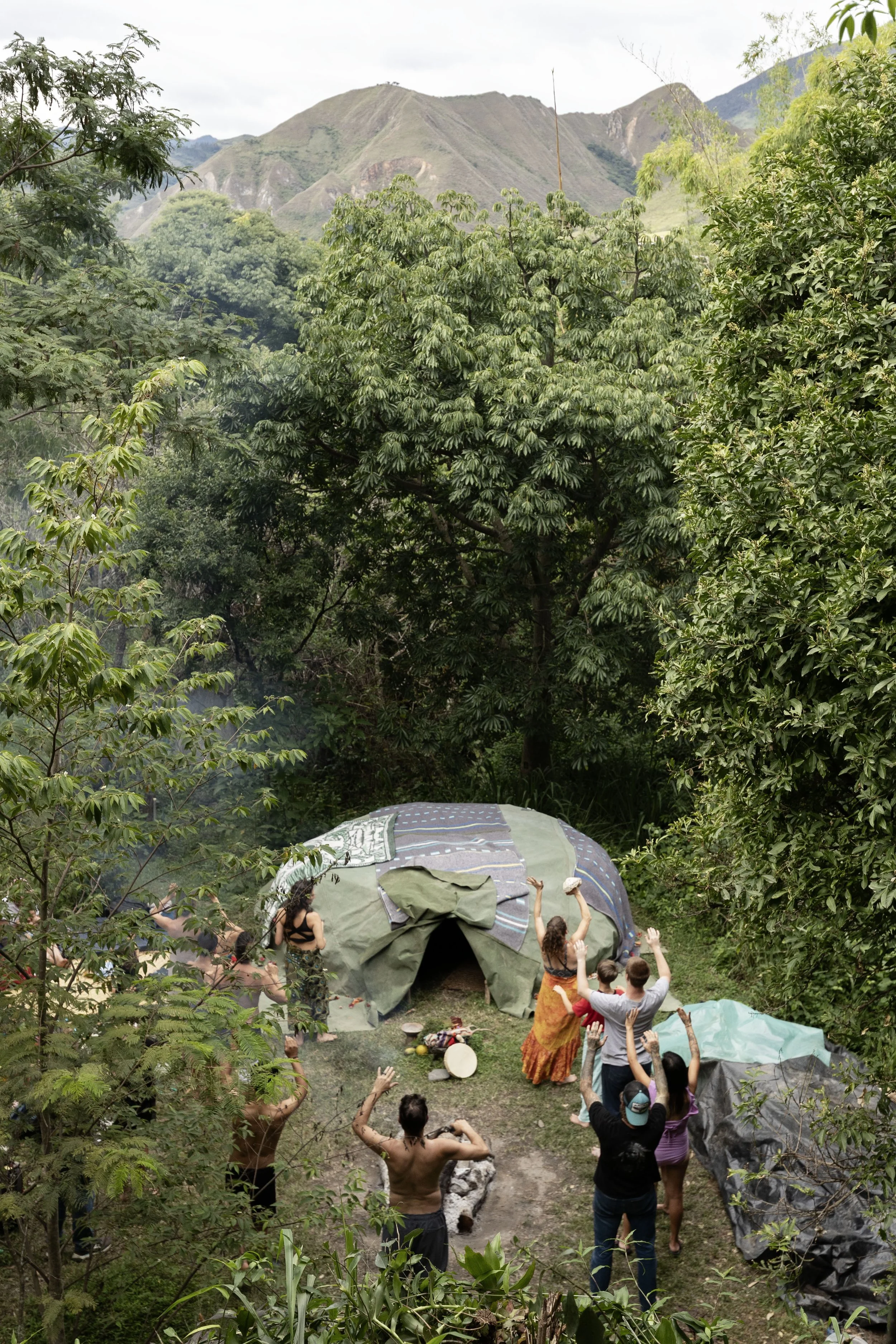
Since the 1970s, the small town of Vilcabamba in the Ecuadorian Andes has attracted retirees, remote workers and spiritual seekers —particularly from the US — who relocate in search of an alternative to the pressures of modern life.
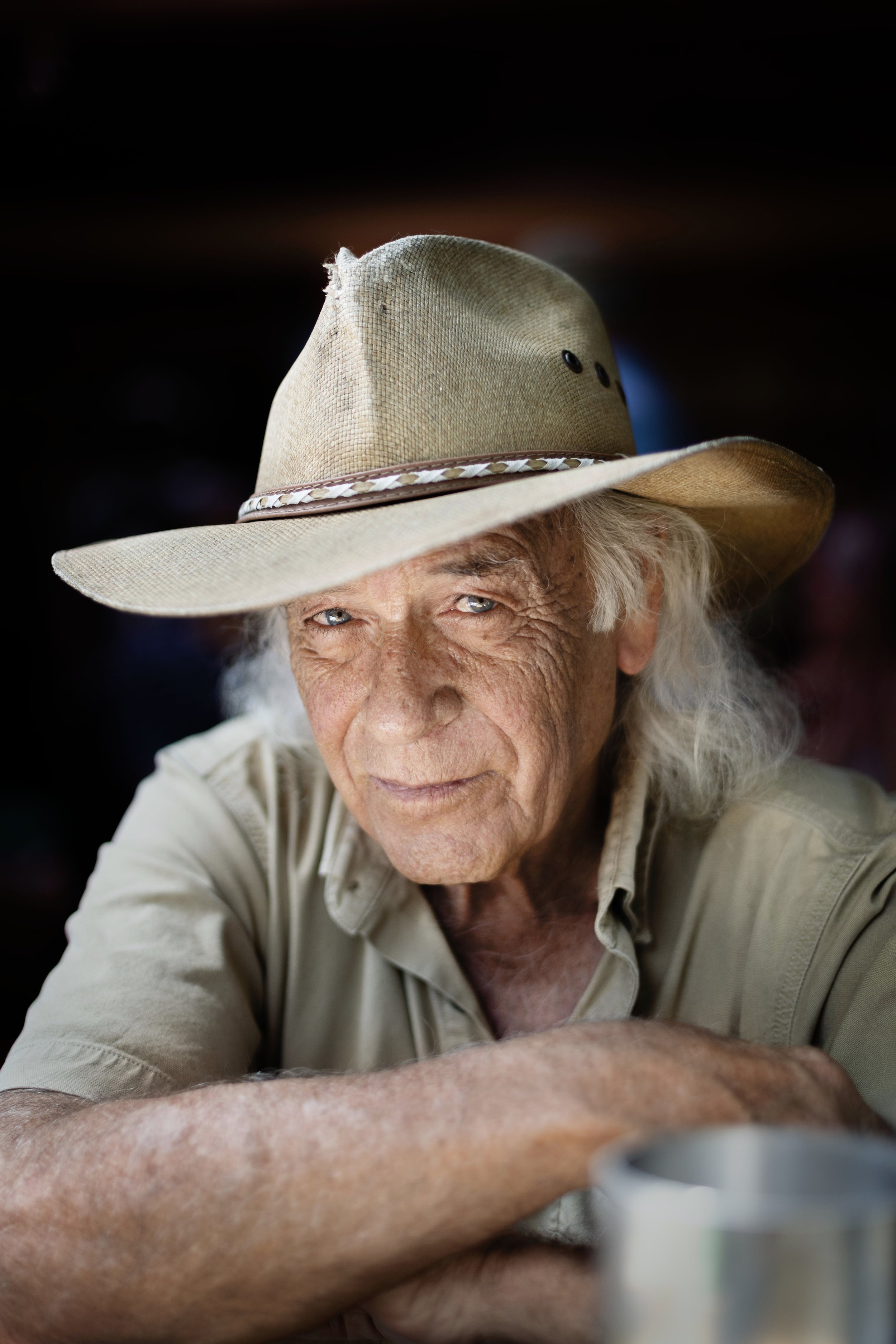
Bruce Neff migrated to Vilcabamba from the U.S. in 2007.
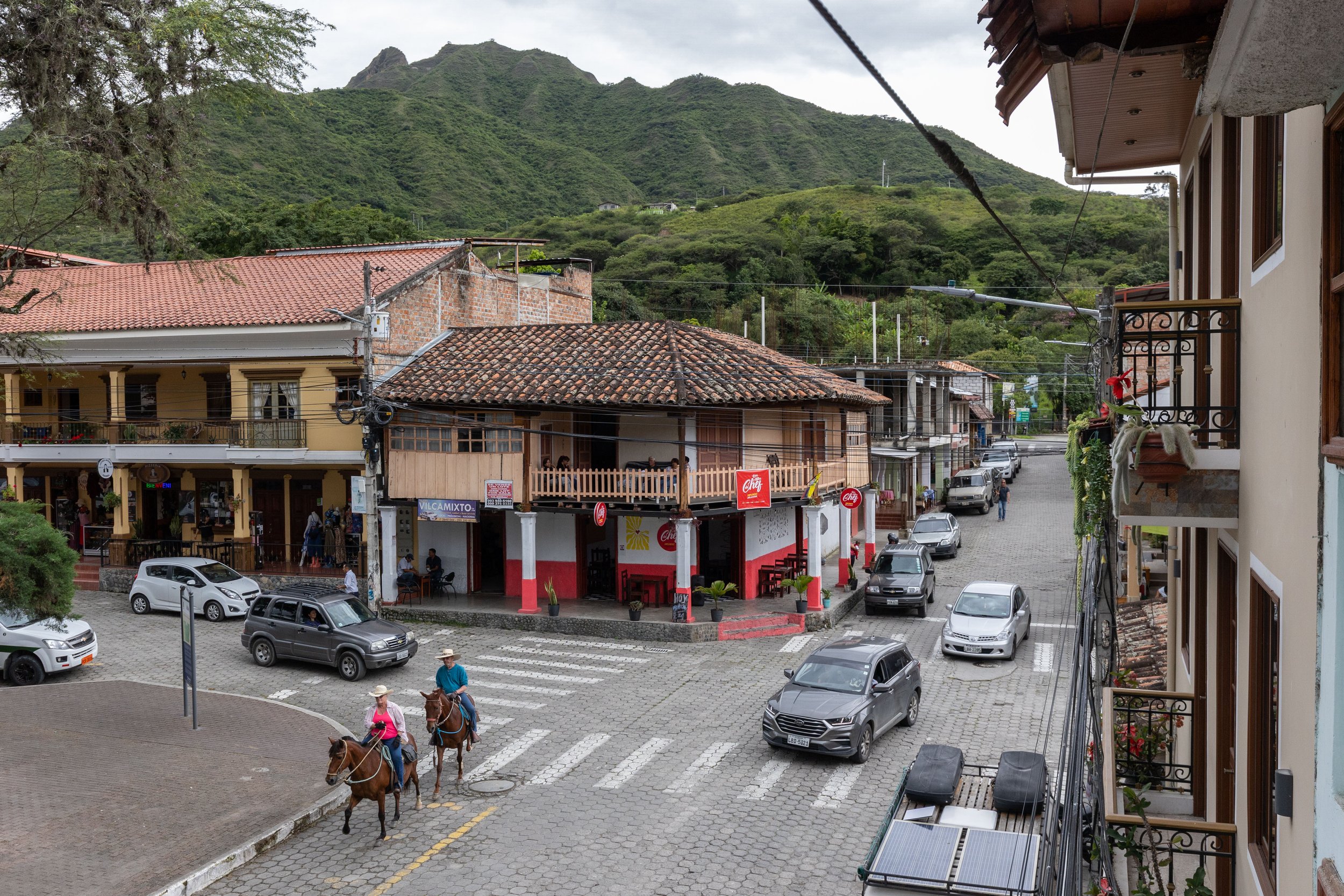
In the past decade, the rural town has registered the permanent arrival of 379 international immigrants, including 157 from the United States. There are also immigrants coming from other Latin American countries as well as Canada, Southeast Asia and Europe.
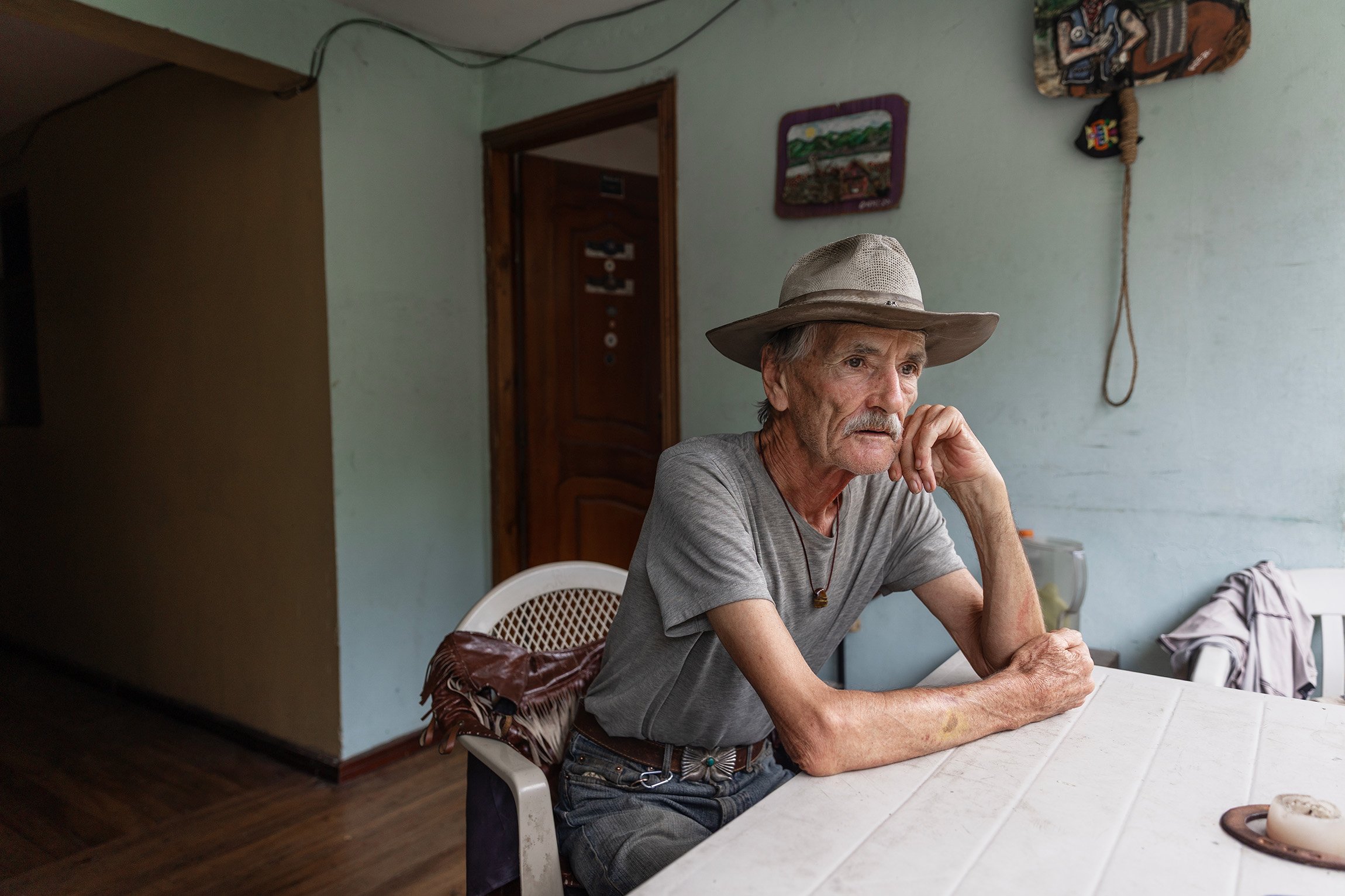
Gavin, 71, lives in the centre of Vilcabamba. He is originally from New Zealand and made his way to Ecuador in 1983, after heading rumors about “Paradise on earth”.
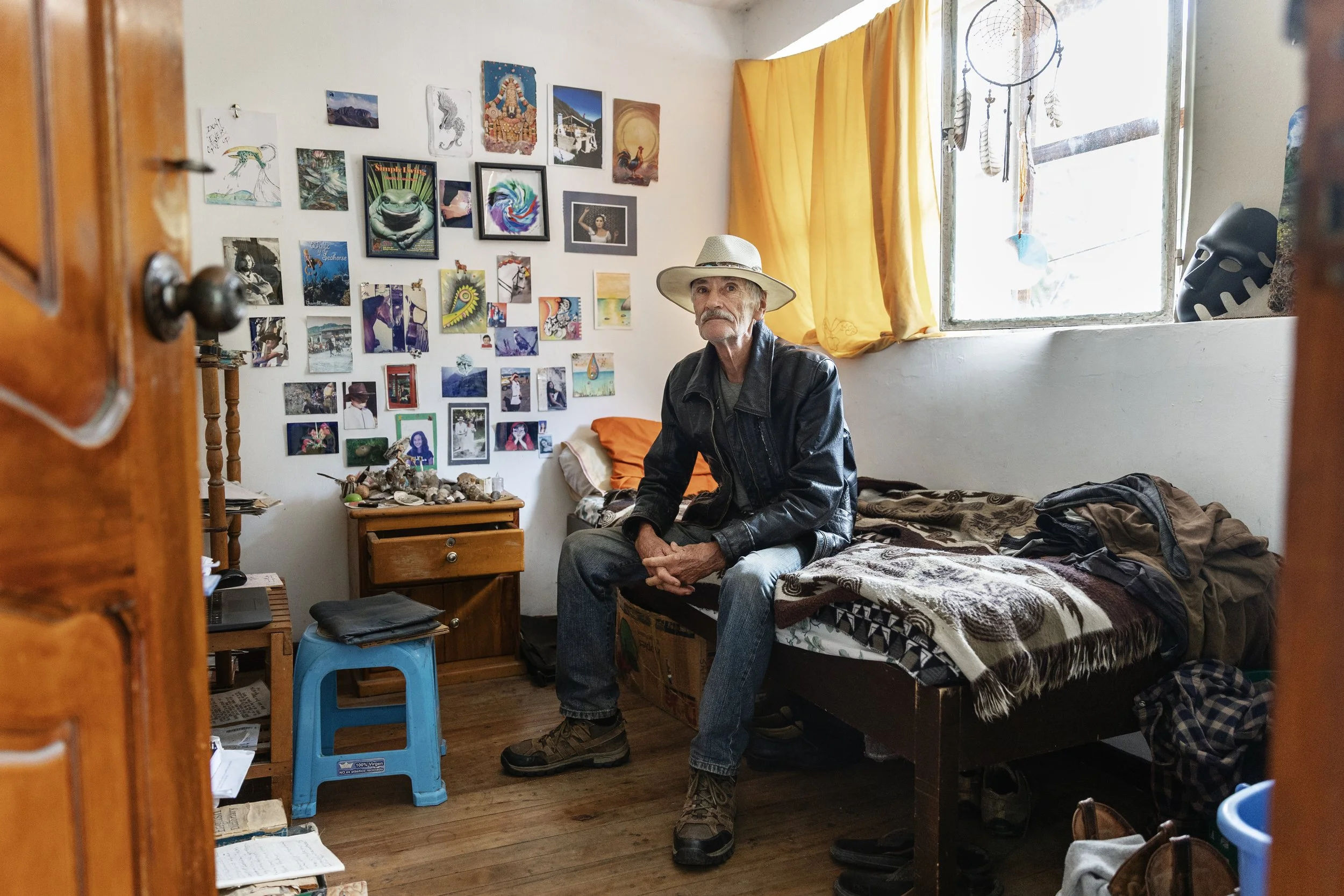
– There’s been a lot of changes with all the gringos. Some bring all of their bad habits with them. Many got together with an Ecuadorean to get registered, started buying properties all around and then selling them for 3-4 times of what they paid for it. I think Vilcabamba is going to spread out and become like a little Miami or something, Gavin says.
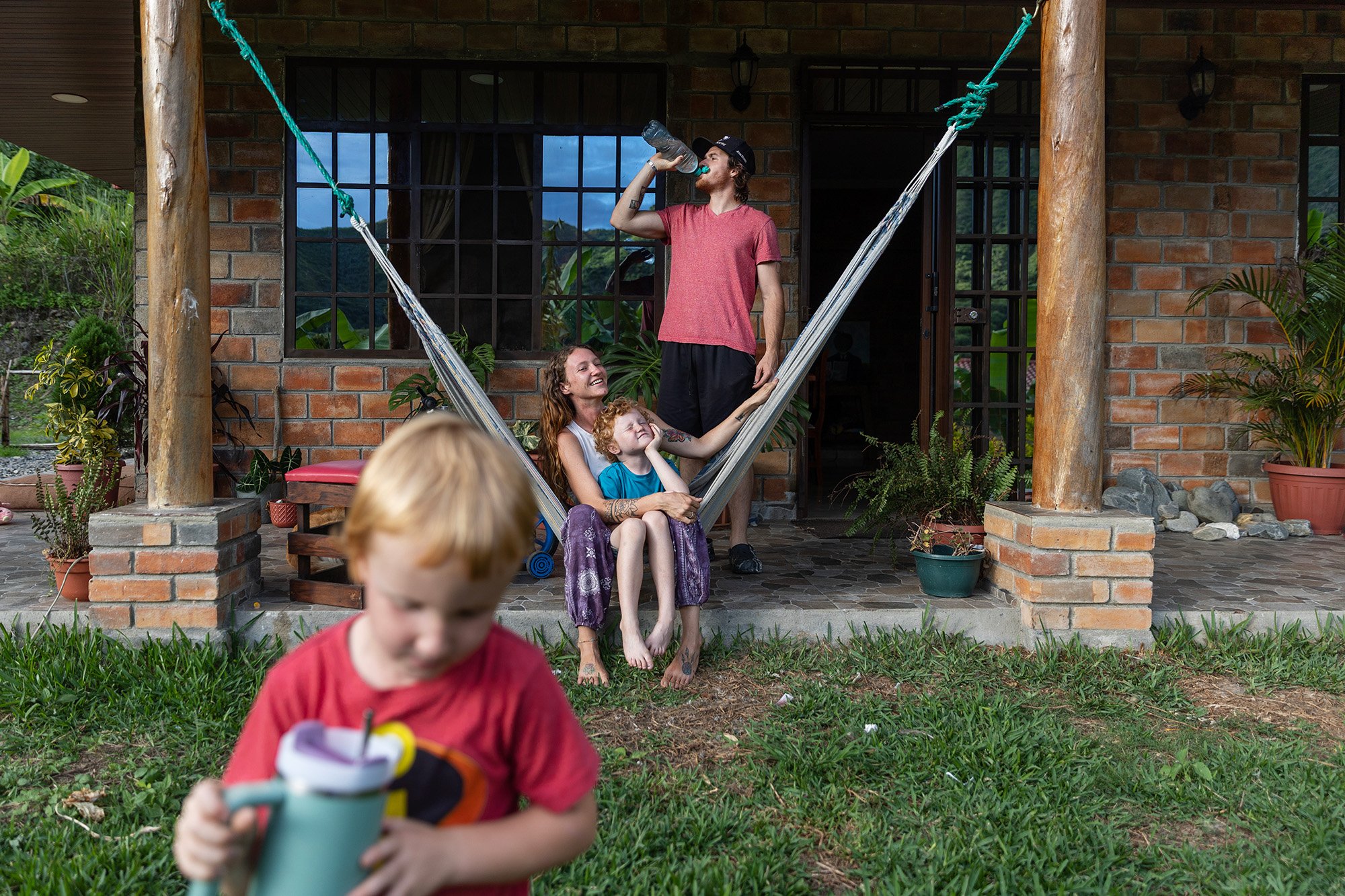
Shae, 29, and her family moved from Florida to Vilcabamba in 2025.
– We were paying $400 a week in groceries alone and around $900 to $1,100 a month in vehicles, maintenance, gas, insurance, all of that. We were drowning in the U.S. financially. A big part of it, too, was our kid’s education. I was terrified to send my kids to school because of the problems with gun violence in our own neighborhood in Florida. As a mom to two neurodivergent kids, I feel much more secure around here, Shae says.
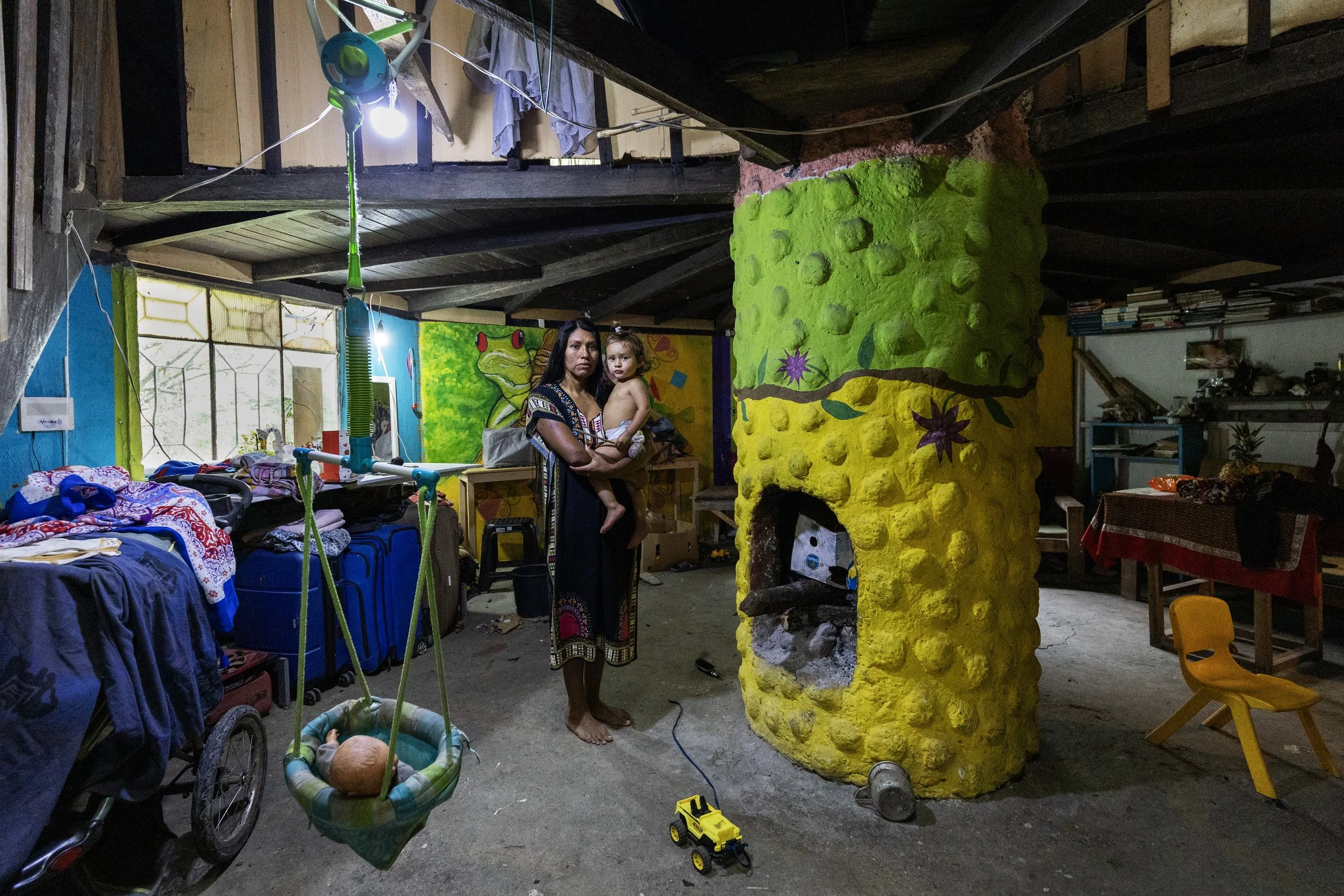
Panela, 40, originally from Argentina, lives with her Spanish partner and two children in Yamburara Alto, Vilcabamba.
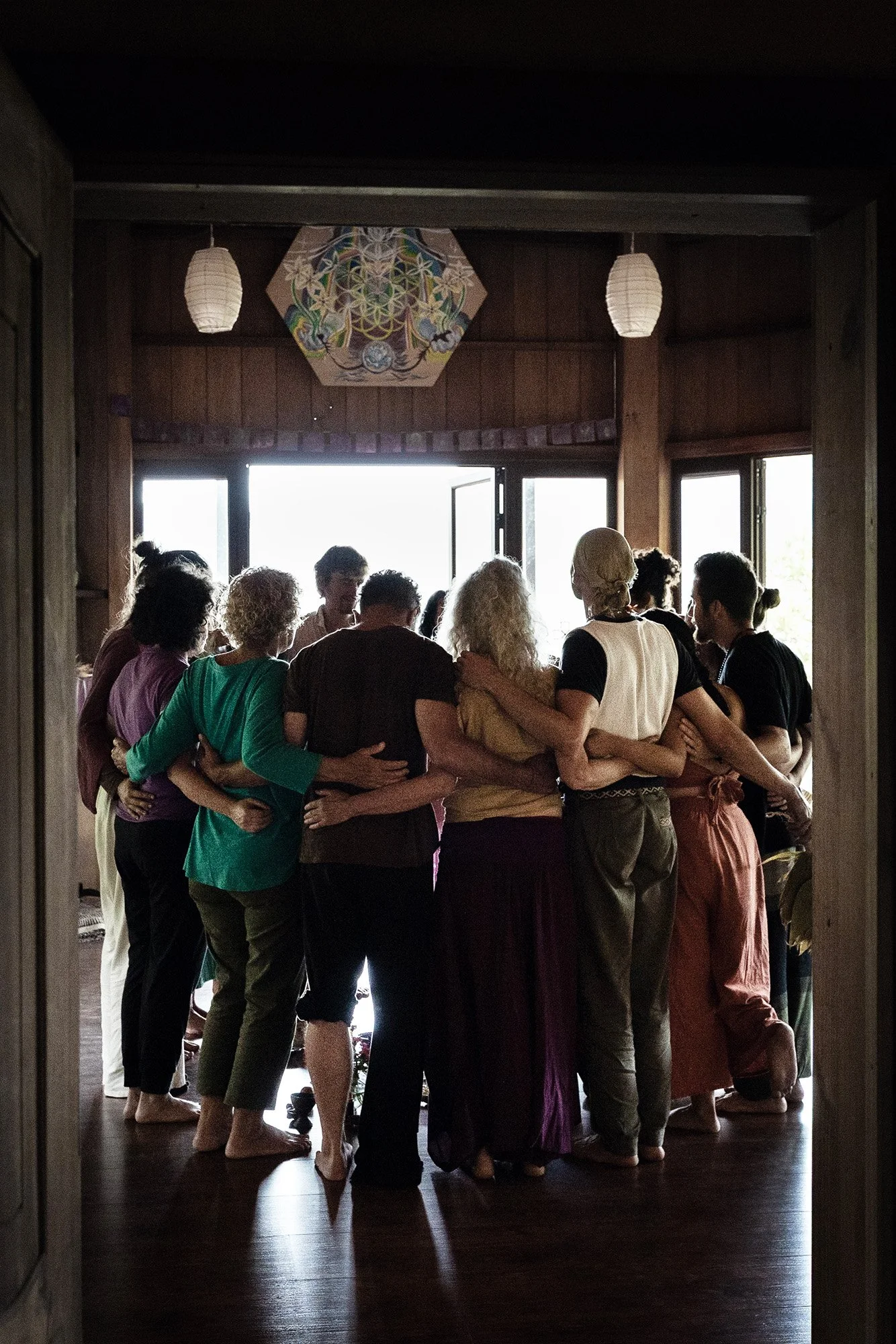
Suzannah, who moved to Vilcabamba from Canada 14 years ago, hosts several workshops on her farm.
– People are finding themselves not only dissatisfied and disconnected from a social structure that’s supposed to bring meaning and value and security in their lives, but they’re also feeling disenfranchised and impoverished. So, there’s this impulse to actually find a new way of living, not just a new lifestyle. I look at it more like it’s a cultural renaissance, says Suzannah.